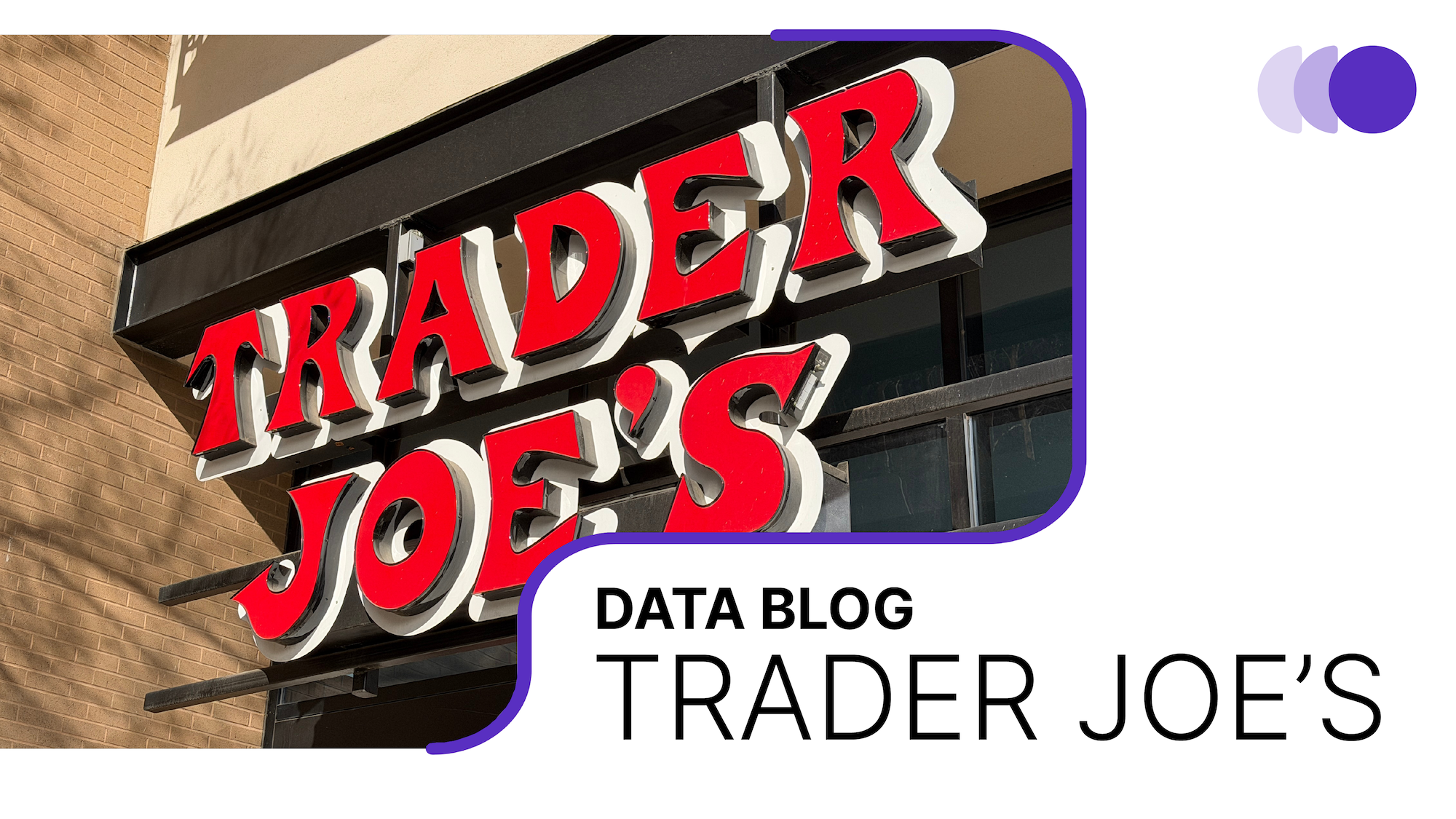
Visual-First Crisis: What the 2026 Trader Joe’s Recall Teaches Us About Brand Risk
The numbers are clear: it’s been a rough week for Trader Joe’s.
After recalling about 10 million pounds of frozen food because of glass contamination, the company is facing a fast-moving brand crisis.
We have all seen plenty of recalls, but the numbers that Pendulum surfaced behind this one tell a unique—and frankly, interesting—story about how consumers process bad news in 2026.
Here’s a breakdown of the viral Trader Joe's recall from the week of March 20 to 26.
The Big Paradox: Text Informs, but Video Engages
If you just look at the numbers we found via text, OCR, and ASR, it seems like a typical news cycle. We counted 975 mentions in digital news sources, but those articles generated almost no social engagement.
Most of the activity is happening somewhere else. While news stories accounted for most mentions, 91% of all engagement—over 102,000 interactions—came from video platforms like TikTok and YouTube.
This is a big change from the norm. It shows that while people may look up the facts on Google or a news app, they are really reacting to the crisis through videos. Trader Joe’s customers are watching short clips showing the packaging to check if they have it at home.
TikTok: The Viral Heavyweight
TikTok is the undisputed leader in this crisis impact:
- Reach: 2.4M impressions.
- Engagement: 95.9K interactions.
- What drove this? It wasn’t lifestyle influencers. Major news outlets like @abcnews led the way, getting 1.6 million impressions from only two posts.
The Data Anomalies You Can’t Ignore
Besides the difference between video and text, two data points stand out as major warning signs for the brand:
- The Zero-Percent Sentiment Wall: Usually, some loyal fans defend the brand during a crisis. This time, there’s almost no positive sentiment in any mentions, impressions, or engagement. The idea of glass fragments seems to have quieted even Trader Joe’s biggest supporters.
- Facebook’s Negative Skew: TikTok had the widest reach, but Facebook was the most negative, with 77% of posts showing negative sentiment. That’s the highest negative rate among all social platforms.
- Global Ripples: Of the 924 mentions, most were from the US, but we’re also seeing early mentions in Canada (18) and India (8). This suggests people in other countries are watching how US food safety responds.

How Should a Brand Respond to a Visual-First Crisis?
The main lesson for executives is that in 2026, you can’t handle a video crisis with just a text response. Trader Joe’s strong brand image isn’t protecting them right now. and video-based information is spreading fast. Using short videos, Trader Joe's should show the packaging, explain the Search and Destroy steps, and reach people on the platforms where they’re actually watching.
Being open and honest is the only way to keep people’s trust in the frozen food section. See how one of our customers used our visual data capabilities to drive customer success.
Get actionable brand risk mitigation action plans, an interactive brand sentiment calculator, and a cross-functional risk reporting team structure-download our Brand Risk Report: Why is Your Current Risk Monitoring Failing the Boardroom (and take our free risk audit on the landing page!).
Don't Have Time to Read? Listen to Our Pendulum Pulse Podcast
Want to know how your social listening strategy stacks up? Take our free social intelligence audit!
Related Articles
Explore deeper insights and practical perspectives related to this topic.


Times Have Changed. So Should Your Tech Stack
See how brands are upgrading their strategies with Pendulum Social Intelligence.