Let Us Help You Find Your Missing Data: Trend Report
Facebook stopped being 'cool' in 2012 when image-first Instagram emerged. Similarly, Twitter (now X), the other previously most widely used text-based social platform, lost its momentum in 2015. Since then, text-based media has increasingly lost its 'wow' factor, except for niche community-first channels, including Reddit or Tumblr.
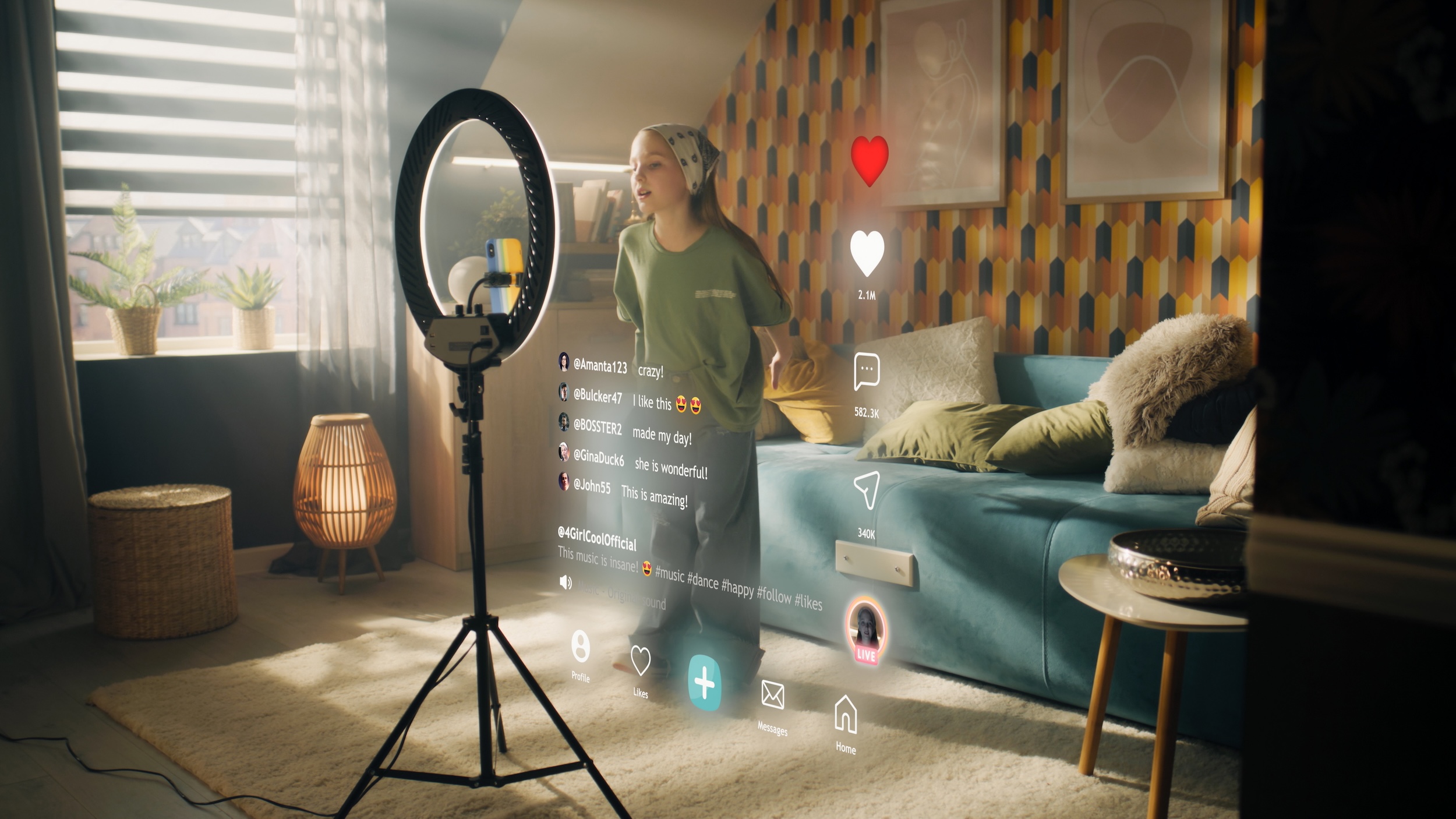
Visual and audio channels get billions of views daily. In comparison, text-based ones such as X capture millions. By the end of 2025, TikTok reached 1.6 billion monthly active users. Instagram climbed to 3 billion monthly active users. YouTube attracted 2.9 billion monthly active users, with 1 billion hours of video watched daily.
What about X (Twitter)? In 2025, it had 561 million monthly active users. X presents barriers to adoption: enterprise API pricing starts at $42,000 per month. Also, 29% of marketers plan to reduce spend due to confidence erosion.
The Numbers
What Percentage of Brand Conversations Do Social Listening Tools Miss?
As you can imagine, the brand cost of not having visibility into the vast repository of untapped, unmined social data is high: it exposes your brand to reputational risk, poor campaign performance, and being left behind the latest viral trend.
Relying on legacy data sources that focus solely on text platforms, captions, hashtags, or metadata is an informational gap that brands can no longer afford to ignore. If you are currently using these legacy systems, your calculated Share of Voice (SoV) is based on only a tiny percentage of the actual measurable conversation. Monitoring what is written about you is no longer enough; the world has moved on from 2015, and social platforms have exponentially exploded, covering every known media format (and probably some unknown ones too - hello Al!).
Brand reputation may appear halfway into a podcast, in an AI-generated video, or at the end of a YouTube vlog. The social landscape is now complex and practically unmanageable for many brands. You're still reading yesterday's mail.
See exactly where your brand is missing social data. Request your custom brand briefing and book a session with our team here.
Multimedia Social Platforms and Social Listening (Or lack of it!)
2025 research found that legacy text-based social listening channels capture less than 25% of brand conversations, leaving a reputationally dangerous 75% data deficit that exposes a flaw in legacy social listening and monitoring. Brands must realize that today, they are entirely missing most of their online user-generated brand data. The surge in multimedia content shifted ideal channels to target and shifted the basic operation of social listening. However, most social listening platforms remain text-focused and capture only brand mentions in posts, captions, or hashtags. Still stuck in 2015, they rely on text-first capabilities rather than exploring the video and audio-first world that has become the norm.
These legacy text-centric platforms are functionally obsolete. They're the early digital archaeologists still out there scraping their way through the deserts of text, hoping to find the remains of a brand skeleton. Their dusty outputs render your brand management, communications, marketing, or risk mitigation strategies based on their outputs—flawed. Capturing sentiment across all media formats and public channels has rapidly become a non-negotiable need for any brand seeking accurate competitive intelligence and deep customer understanding.
Think of the dollars your teams can save by watching campaign sentiment in real-time, catching a negative mention before it goes viral, or ensuring you have a collection of completely brand-aligned influencers that you know won't be a reputational risk. By the end of 2025, there was even brighter light in the social listening digital dust. Modern social listening has evolved beyond just monitoring text-based mentions. The landscape shifted toward social listening and intelligence, and toward developing the ability to detect and preempt conversations across a decentralized, multimedia environment. The solution? Innovative social listening companies integrated AI.
They developed Computer Vision (CV) and advanced transcription services (ASR) as mandatory infrastructure to monitor spoken-word content in podcasts, video, and more. They provided real-time visual brand exposure across formats, including video and imagery. Brands can now see full-color content across all media formats on publicly available social channels in dozens of languages. So now, let's find your data, preempt conversations, and use it to drive brand excellence.
Download our complete 2026 Trend Report here.
Want to know how your social listening strategy stacks up? Take our free social intelligence audit!
Related Articles
Explore deeper insights and practical perspectives related to this topic.



Times Have Changed. So Should Your Tech Stack
See how brands are upgrading their strategies with Pendulum Social Intelligence.